unity shader smoothstep and lerp ,InverseLerp
tags: unity
The Smoothstep in unity and unity shaderlab is not the same thing. Essence So record it
Unity Lerp and Shader Lerp
 public float Lerp(float a, float b, float value)
 {
 	if(value <= 1 && value >= 0)
 	{
 		return a * (1 - value) + b * value;
 	}
	else if(value < 0)
	{
		return a;
	}
	else
	{
		return b;
	}
 }
Unity InverseLerp
 public float InverseLerp(float a, float b, float value)
 {
     if (a != b)
         return Mathf.Clamp01((value - a) / (b - a));
     else
         return 0.0f;
  }
unity SmoothStep
float SmoothStep(float a, float b, float value)
{

 	if(value <= 1 && value >= 0)
 	{
 		value = value * value * (3 - 2 * value);
 		return a * (1 - value) + b * value;
 	}
	else if(value < 0)
	{
		return a;
	}
	else
	{
		return b;
	}
}
Shader SmoothStep
float SmoothStep(float a, float b, float x)
{
  	x = clamp((x - a) / (b- a), 0,1);
  	return x * x * (3 - 2 * x);
}
Unity SmoothDamp
public static float SmoothDamp(float current, float target, ref float currentVelocity, float smoothTime, [DefaultValue("Mathf.Infinity")] float maxSpeed, [DefaultValue("Time.deltaTime")] float deltaTime)
{
     smoothTime = Mathf.Max(0.0001f, smoothTime);
     float num = 2f / smoothTime;
     float num2 = num * deltaTime;
     float num3 = 1f / (1f + num2 + 0.48f * num2 * num2 + 0.235f * num2 * num2 * num2);
     float num4 = current - target;
     float num5 = target;
     float num6 = maxSpeed * smoothTime;
     num4 = Mathf.Clamp(num4, -num6, num6);
     target = current - num4;
     float num7 = (currentVelocity + num * num4) * deltaTime;
     currentVelocity = (currentVelocity - num * num7) * num3;
     float num8 = target + (num4 + num7) * num3;
     if (num5 - current > 0f == num8 > num5)
     {
         num8 = num5;
         currentVelocity = (num8 - num5) / deltaTime;
     }
     return num8;
 }
Intelligent Recommendation
Unity - the basic principle of LERP interpolation
Interpolated this thing, for many newcomers, just stay in the stage of use, know when to use, but the operation mechanism is not very understandable. Recently, many newcomers have such an idea: have a...
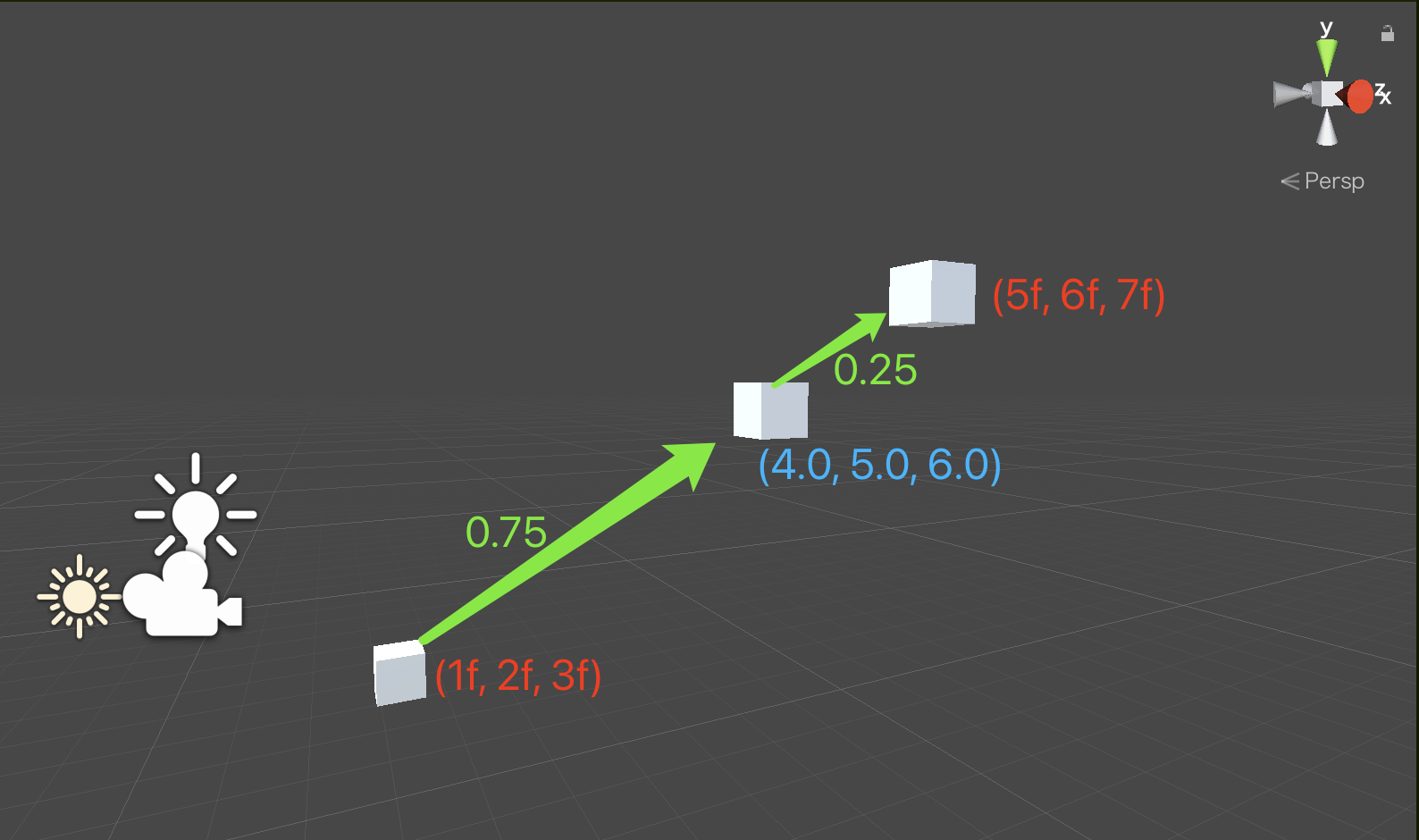
Unity Lerp interprets in the x seconds
The mathf.lerp function is used between two values for interpolation for smooth transition. VAR interpolation result = mathf.lerp (from, to, rate) // rate is the value of 0 ~ 1 Unity does not provid...
Lerp
Lerp, is returned interpolation between two values, generally have three parameters. Returns to the initial value of a parameter, the second parameter is the final value, the interpolation is a floati...
More Recommendation
Unity uses Lerp() function to achieve easing effect
In the Unity, the Lerp function can achieve the easing effect. using UnityEngine; using System.Collections; public class test : MonoBehaviour { } If Lerp (from (start), to (end), value), then How the ...

Unity interpolation function Lerp() and delta time Time.deltatime
1. Unity interpolation function Lerp() Briefly understand the interpolation function through the official documentation (https://docs.unity3d.com/ScriptReference/index.html), you can see that there ar...
Simple usage of moving SmoothDamp and Lerp in Unity
SmoothDamp smooth buffer movement, mostly used for camera movement Lerp, each move is n% of the remaining distance to the target point Where t is the percentage of the remaining distance, Lerp can mov...
Analysis of Misunderstandings in Using Lerp and SmoothDamp Functions in Unity
Write in front Unity’s Lerp and SmoothDamp are commonly used in scenes such as object movement, some gradual changes, or camera following. Although Mathf, Vector2, Vector3, etc. have these two f...

Unity uses LERP to move uniform speed
Unity uses LERP to move uniform speed Using the LERP difference, the third parameter in the LERP is actually the percentage of two value differences, so if you use a fixed value directly, it will lead...