16*16 dot matrix, two expanded to 16*32 dot matrix
16*16 dot matrix, two expanded to 16*32 dot matrix
Article Directory
1. Pin diagram of 8*8 dot matrix, pull wire diagram:
Anode:
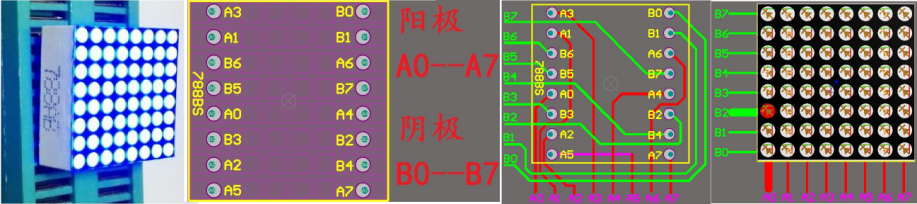
The rest of the cathode remains the same: (A0-A7 is the anode, B0-B7 is the cathode)
Four cascade diagrams: (16*16 dot matrix)
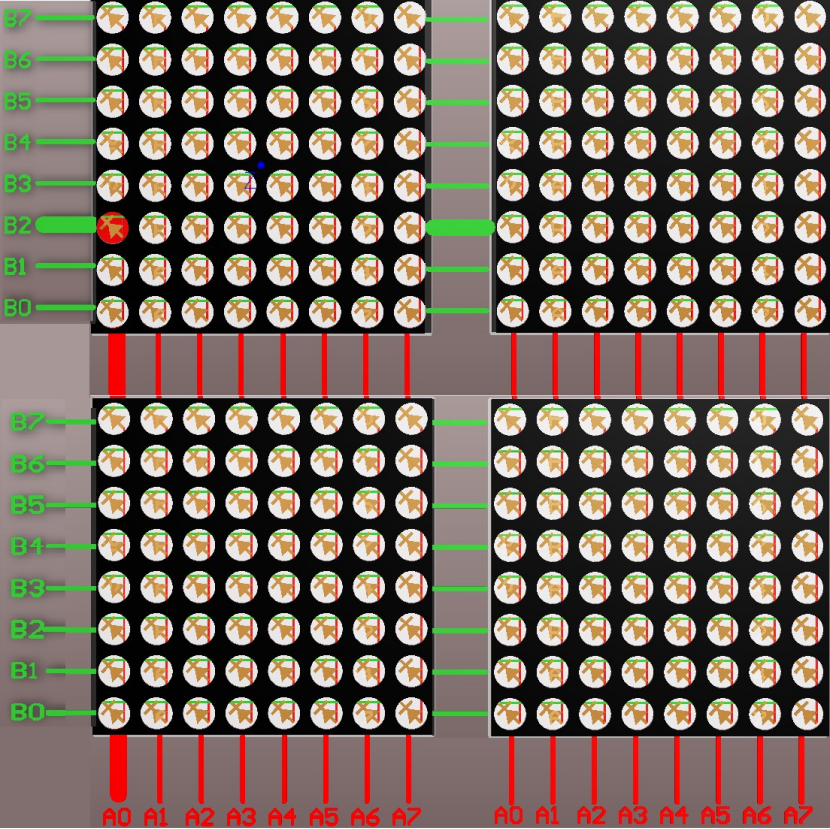
It is wasteful to directly use 16+16 IO ports to control. Chips (MAX7219, 74HC595, etc.) can be used to drive, and they can all be cascaded, which can save a lot of IO ports.
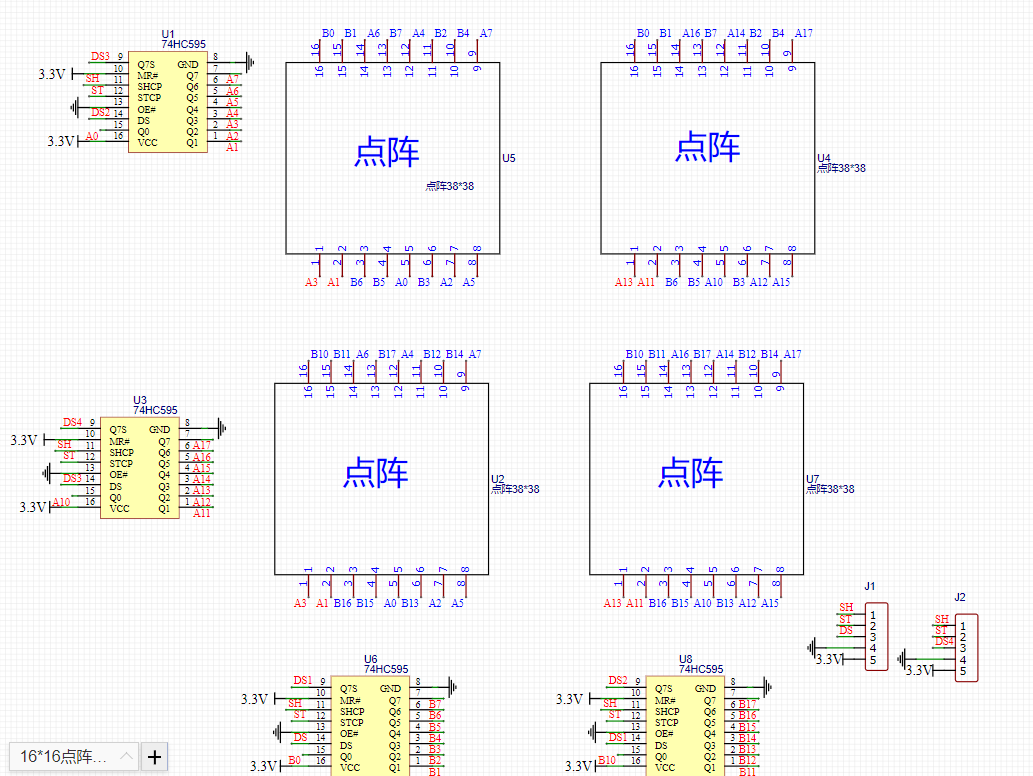
This article uses 74HC595 cascade:
2. 16*16 dot matrix 74HC595 cascade diagram:

3. Dot matrix software model:
1. Chinese character modulus software:
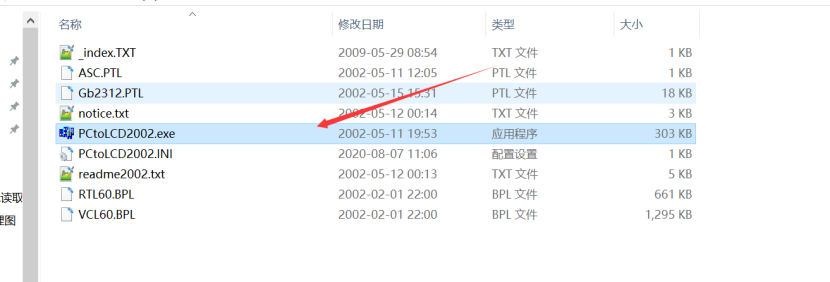
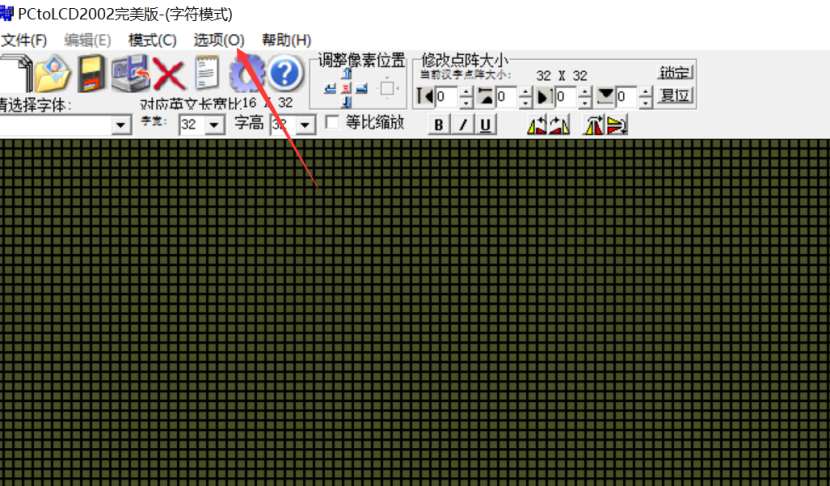

mode changed to C51
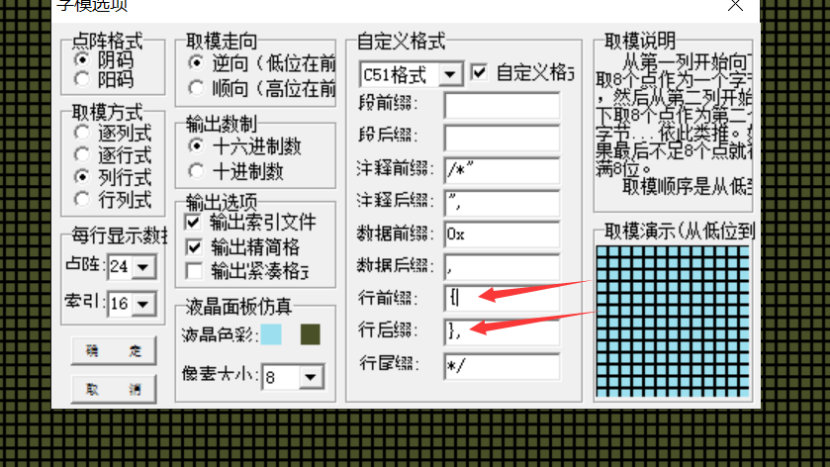
remove these two brackets
Click OK
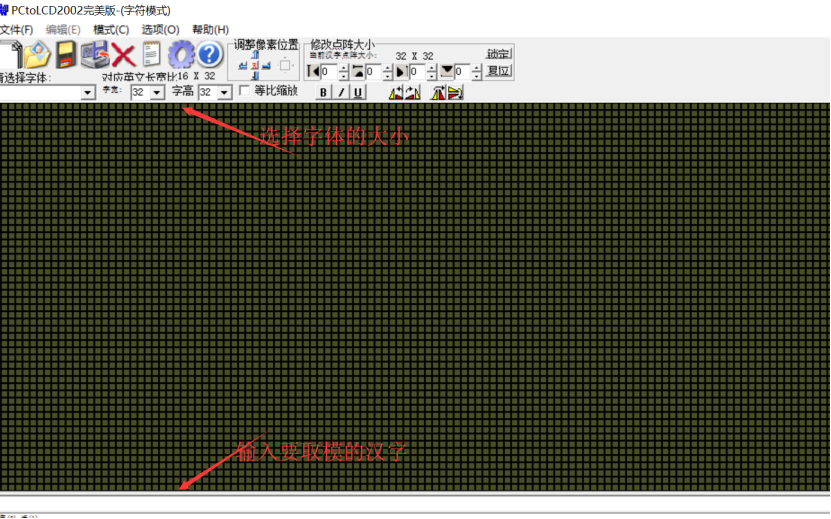
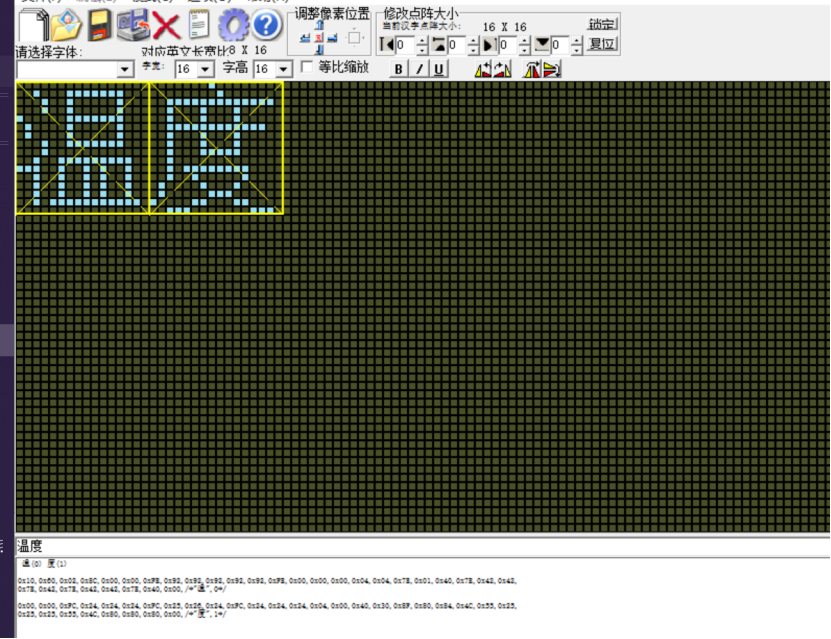
Copy the modulus at the bottom.
2. Digital modulo
Click directly and take the modulo manually.
1. Open the modulo software
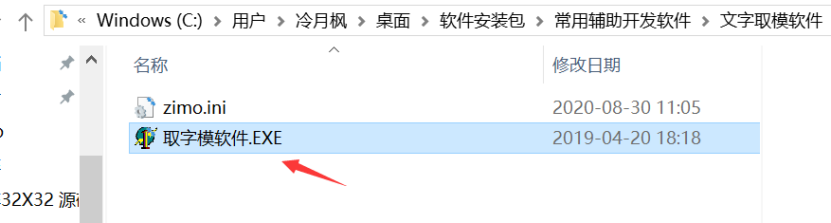
2. Create a new image, change the width and height to 8*8
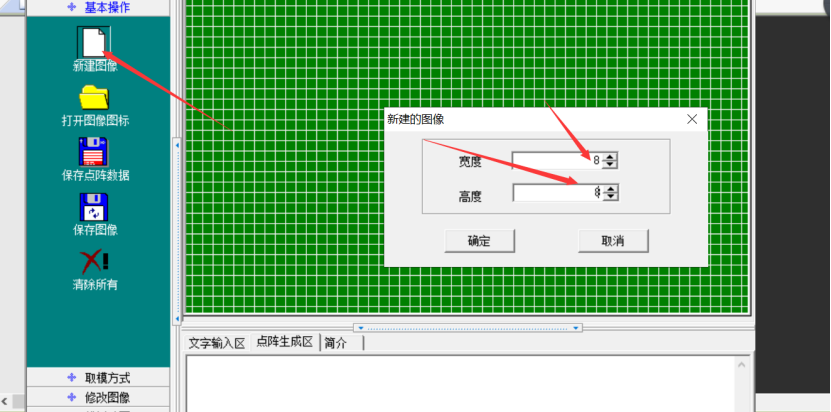
3. Parameter settings, other options.

4. Configure as shown below

5. Click on the image number to be taken directly on the image
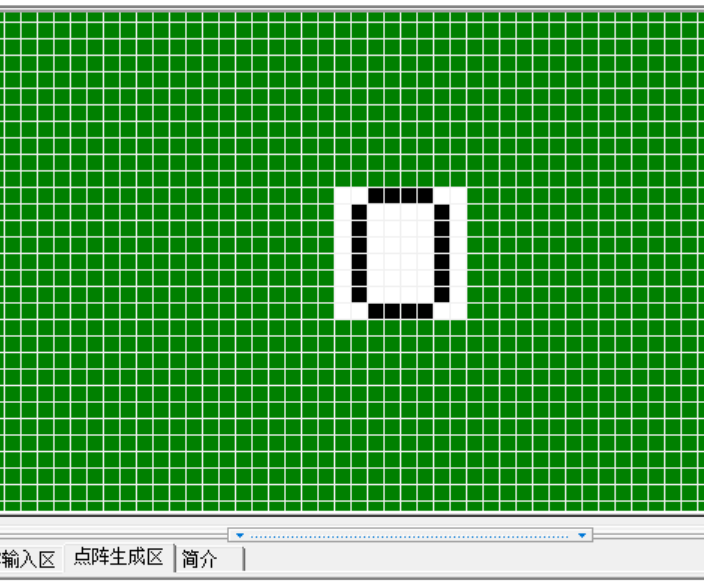
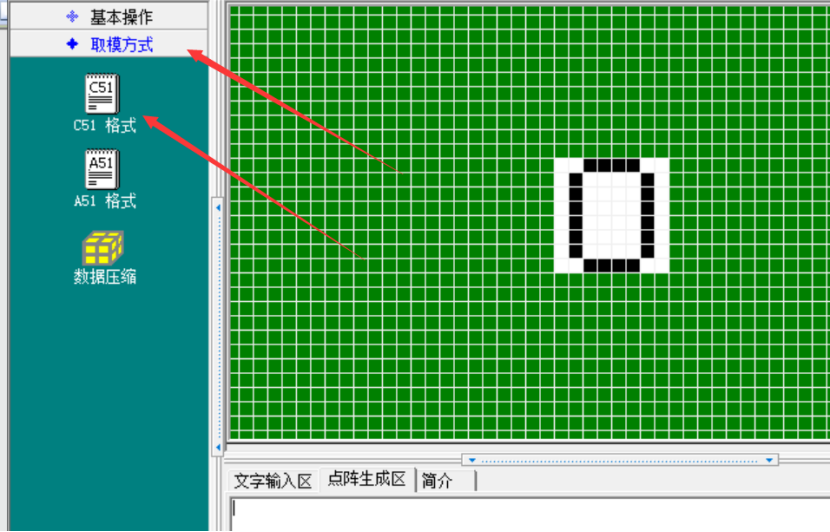
6. After drawing, click the modulo mode, c51 modulo.
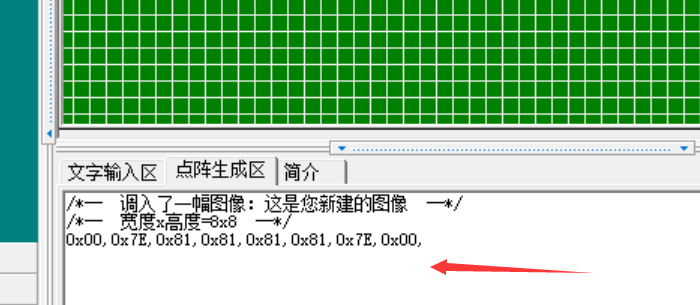
7. The figure below is the modulo data.
Fourth, the schematic
5. Code:
This code has been tested and can be displayed.
HC595.h
#ifndef HC595
#define HC595


#define HC595_Port_RCC RCC_APB2Periph_GPIOB //clock
#define HC595_PIN GPIO_Pin_10|GPIO_Pin_11|GPIO_Pin_12 //Pin
#define HC595_PORT GPIOB //port


#define HC595_SH PBout(12) //Latch register
#define HC595_ST PBout(11)  //Shift Register
#define HC595_DS PBout(10) //data input

/* Variable definitions */
//uchar duan[][32];

/*Function declaration */
void HC595_Init(void);
void DZ_Chinese_Static_Display(void); // statically display two Chinese characters
void DZ_Chinese_Dynamic_Display(void); // scroll display

void DZ_Num_Static_Display(void);
void DZ_Num_Dynamic_Display(void);

#endif
HC595.c
#include "All.h"

uchar DZ16x32Ram[32][2]; // Open up cache space, two bytes per column,
// Two columns, one column, two rows, one row
// row is 1, column is 0
uchar column1[] = {0xfe, 0xfd, 0xfb, 0xf7, 0xef, 0xdf, 0xbf,0x7f,
							  0xff,0xff,0xff,0xff,0xff,0xff,0xff,0xff,
                              }; //first row
uchar column2[] = {0xff, 0xff, 0xff, 0xff, 0xff, 0xff, 0xff,0xff,
							  0xfe,0xfd,0xfb,0xf7,0xef,0xdf,0xbf,0x7f,
							  }; //The second column
uchar DZ_16x16Chinese[][32]= {
//	 0x00,0x00,0x00,0x00,0x00,0x00,0x00,0x00,
//	0x00,0x00,0x00,0x00,0x00,0x00,0x00,0x00,
//	0x00,0x00,0x00,0x00,0x00,0x00,0x00,0x00,
//	0x00,0x00,0x00,0x00,0x00,0x00,0x00,0x00,

      0x04,0x00,0x24,0x10,0x24,0x12,0x24,0x21,   //I
      0x7F,0xFE,0xC4,0x40,0x44,0x84,0x04,0x08,
      0xFF,0x90,0x04,0x60,0x44,0x58,0x35,0x86,
      0x04,0x01,0x0C,0x07,0x04,0x00,0x00,0x00,


	  0x02,0x00,0x0D,0x00,0x49,0x02,0x69,0x0C,  //Love
      0x59,0x31,0x49,0xC1,0x4F,0x62,0x79,0x54,
      0x49,0x48,0x89,0x54,0x99,0x64,0xA9,0x42,
      0x89,0x03,0x0A,0x02,0x0C,0x00,0x00,0x00,

	  0x02,0x00,0x04,0x00,0x1F,0xFF,0xE0,0x00, //you
      0x02,0x00,0x04,0x10,0x18,0x20,0xF0,0xC2,
      0x10,0x01,0x13,0xFE,0x10,0x00,0x10,0x80,
      0x14,0x60,0x18,0x30,0x00,0x00,0x00,0x00,

	  0x3F,0xF0,0x20,0x20,0x7F,0xF0,0x20,0x00, //what
      0x7F,0xFF,0x42,0x10,0x4D,0x88,0x70,0x70,
      0x00,0x00,0x47,0xF0,0x44,0x20,0x4F,0xF2,
      0x44,0x01,0xFF,0xFF,0x40,0x00,0x00,0x00
};

uchar DZ_8x8Num[][8] = {
0x00,0x7E,0x81,0x81,0x81,0x81,0x7E,0x00,  /* 0 */
0x00,0x01,0x01,0x41,0xFF,0x01,0x01,0x00, /* 1 */
0x00,0x41,0x83,0x85,0x89,0x91,0x61,0x00, /* 2 */
0x00,0x42,0x81,0x81,0x99,0xA5,0x42,0x00,/* 3 */
0x00,0x0C,0x14,0x24,0x44,0xFF,0x04,0x00,/* 4 */
0x00,0xE2,0xA1,0xA1,0xA1,0xA1,0xBE,0x00, /* 5 */
0x00,0x7E,0x91,0x91,0x91,0x91,0x5E,0x00, /* 6 */
0x00,0x80,0x80,0x80,0x9F,0xA0,0xC0,0x00, /* 7 */
0x00,0x7E,0x91,0x91,0x91,0x91,0x7E,0x00, /* 8 */
0x00,0x72,0x91,0x91,0x91,0x91,0x7E,0x00, /* 9 */
};
/*4*8 numbers actually display 3*7 but they are too crowded next to each other, so the blank line in the middle becomes 5*/
uchar DZ_4x8Num[][5] = {
0x3E,0x41,0x41,0x3E,0x00,  /* 0 */
0x00,0x00,0x7F,0x00,0x00,  /* 1 */
0x4F,0x49,0x49,0x79,0x00, /* 2 */
0x49,0x49,0x49,0x7F,0x00, /* 3 */
0x78,0x08,0x08,0x7F,0x00, /* 4 */
0x79,0x49,0x49,0x4F, 0x00, /* 5 */
0x7F,0x49,0x49,0x4F, 0x00, /* 6 */
0x40,0x40,0x40,0x7F,0x00,  /* 7 */
0x7F,0x49,0x49,0x7F,0x00, /* 8 */
0x79,0x49,0x49,0x7F, 0x00, /* 9 */
0x00,0x36,0x36,0x00,0x00, /*:10*/
0x00,0x00,0x00,0x00,0x00,/*Do not display 11*/
0x08,0x08,0x08,0x08,0x00,/*-12*/
};
uchar DZ_4x8Num_Buffer[40] ;  // Dynamic display of digital buffer

/*3*8 numbers actually display 3*5 but they are too crowded next to each other, so the blank line in the middle becomes 5*/
uchar DZ_3x8Num[][4] = {
0x1F,0x11,0x1F,0x00,/* 0 */
0x00,0x1F,0x00,0x00,/* 1 */
0x17,0x15,0x1D,0x00, /* 2 */
0x15,0x15,0x1F, 0x00, /* 3 */
0x1C,0x04,0x1F,0x00,/* 4 */
0x1D,0x15,0x17, 0x00,/* 5 */
0x1F,0x15,0x17,0x00,/* 6 */
0x10,0x10,0x1F, 0x00,/* 7 */
0x1F,0x15,0x1F,0x00,/* 8 */
0x1D,0x15,0x1F,0x00,/* 9 */
0x00,0x36,0x00,0x00,0x00, /*:*/
};
/* hc595 pin initialization */
void HC595_Init(void)
{
   GPIO_InitTypeDef GPIO_InitStructure;

	RCC_APB2PeriphClockCmd(HC595_Port_RCC,ENABLE);//System clock enable

	GPIO_InitStructure.GPIO_Pin = HC595_PIN; //Define pin
	GPIO_InitStructure.GPIO_Mode = GPIO_Mode_Out_PP;//Pin output mode
	GPIO_InitStructure.GPIO_Speed = GPIO_Speed_50MHz;//Pin speed
	GPIO_Init(HC595_PORT,&GPIO_InitStructure); //Initialize the port

}
//Hc595 transfer data
void Hc595_Send_Byte(uchar dat)
{
    uchar  i;
	for(i=0;i<8;i++)
	{
		HC595_SH=0;//Shift
		if(dat&0x80)  //
           HC595_DS= 1;
		else
			HC595_DS =0;
		  dat<<=1;
		delay_us(2);
		HC595_SH=1;//Shift clock rising edge copy
		delay_us(2);
	}
}

/* Display two 16*16 characters
     one is the number to be displayed in the first 16*16 dot matrix
     two is the number to be displayed in the second 16*16 dot matrix
*/
void DZ_16x16_Char(void)
{
	uchar i;
	for(i = 0; i< 16; i++)
		{
			/* The second 16*16 dot matrix*/
		   // 16*16 dot matrix
			 /* One line at a time, 2 bytes, control bit selection*/
			Hc595_Send_Byte(column2[i]);  // A second column cathode
			Hc595_Send_Byte(column1[i]);        //  first row
		    /* Transmit one column at a time, 2 bytes, and display a column of 16 dots*/
			Hc595_Send_Byte(DZ16x32Ram[i+16][1]);    // second row // display one column of data at a time
			Hc595_Send_Byte(DZ16x32Ram[i+16][0]);   //   first row
			/* The first 16*16 dot matrix */
		 // 16*16 dot matrix
			/* One line at a time, 2 bytes, control bit selection*/
			Hc595_Send_Byte(column2[i]);  // A second column cathode
			Hc595_Send_Byte(column1[i]);        //  first row
		    /* Transmit one column at a time, 2 bytes, and display a column of 16 dots*/
			Hc595_Send_Byte(DZ16x32Ram[i][1]);    // second line
			Hc595_Send_Byte(DZ16x32Ram[i][0]);   //   first row

			HC595_ST=1;  // latch data
		    delay_us(2);
			HC595_ST=0;
		}
}
/* Dot matrix static display function*/
void DZ_Chinese_Static_Display(void)
{
	uchar j,k,m;
	for (m = 0; m < 20; m++)
	{
		j = 0;
		for (k = 0; k < 16; k++)  //Display a 16*16 dot matrix
		{
			DZ16x32Ram[k][1] = DZ_16x16Chinese[0][j+1]; // must be odd
			DZ16x32Ram[k][0] = DZ_16x16Chinese[0][j];    // must be an even number
			DZ16x32Ram[k+16][1] = DZ_16x16Chinese[1][j+1];
			DZ16x32Ram[k+16][0] = DZ_16x16Chinese[1][j];
			j+=2;
		}
        DZ_16x16_Char();
	}
}

/* Dot matrix dynamic display function */
void DZ_Chinese_Dynamic_Display(void)
{
	uchar i,k,j=0,m;
	/* 64 is to display two screens at a time*/
   for (i =0 ;i<64;i++)  // Cycle display times
	{
		for(m = 0;m<20;m++) // The speed of scrolling
		{
			j = 0;  // Display one group at a time, clear
		for (k = 0; k < 16; k++)  //Display a 16*16 dot matrix
		{
			/*(j+1+2*i): j+1 is guaranteed to be an odd number 2*i, to ensure that two changes each time, or an odd number
                               (64*2): 64 means the number of times a word needs to be changed, 2 means to scroll to display 4 words on 2 screens*/
			DZ16x32Ram[k][1] = DZ_16x16Chinese[0][(j+1+2*i)%(64*2)]; // must be odd
			DZ16x32Ram[k][0] = DZ_16x16Chinese[0][(j+2*i)%(64*2)];    // must be an even number
			DZ16x32Ram[k+16][1] = DZ_16x16Chinese[0][(32+j+1+2*i)%(64*2)];
			DZ16x32Ram[k+16][0] = DZ_16x16Chinese[0][(32+j+2*i)%(64*2)];
			j+=2;
		}
		DZ_16x16_Char();
	}
	}
}

void DZ_Num_Static_Display(void)
{
	uchar j,k,m;
// for (m = 0; m <40; m++) //Control the frequency of refresh
//		{
			j = 0;  // redisplay every time
			for (k = 0; k < 5; k++)  //Display a 16*16 dot matrix
			{

				/* The first 8 control the left, the last 8 control the right */
				DZ16x32Ram[k][0] = DZ_4x8Num[DS1302_Time_Buffer[4]/16][j];    // up 1
				DZ16x32Ram[k+5][0] = DZ_4x8Num[DS1302_Time_Buffer[4]%16][j];    // up 2
				DZ16x32Ram[k+10][0] = DZ_4x8Num[10][j];    // up 3
				DZ16x32Ram[k+15][0] = DZ_4x8Num[DS1302_Time_Buffer[3]/16][j];    // up 4
				DZ16x32Ram[k][1] = DZ_4x8Num[DS1302_Time_Buffer[2]/16][j]; // next 1
			    DZ16x32Ram[k+5][1] = DZ_4x8Num[DS1302_Time_Buffer[2]%16][j]; // next 2
				if((k+9) < 12)
				  DZ16x32Ram[k+9][1] = DZ_4x8Num[10][j]; // down 3
				DZ16x32Ram[k+13][1] = DZ_4x8Num[DS1302_Time_Buffer[1]/16][j]; // down 4
				// The second screen
			    DZ16x32Ram[k+20][0] = DZ_4x8Num[DS1302_Time_Buffer[3]%16][j];    // up 1
				DZ16x32Ram[k+25][0] = DZ_4x8Num[11][j];    // up 2
				DZ16x32Ram[k+30][0] = DZ_4x8Num[11][j];    // up 3
				DZ16x32Ram[k+32][0] = DZ_4x8Num[11][j];    // up 4

				DZ16x32Ram[k+18][1] = DZ_4x8Num[DS1302_Time_Buffer[1]%16][j]; // next 1
			    //DZ16x32Ram[k+22][1] = DZ_4x8Num[10][j]; // next 2
				if((k+24) < 28)
				DZ16x32Ram[k+24][1] = DZ_3x8Num[DS1302_Time_Buffer[0]/16][j]; // down 3
//				if((k+22) < 25)
				DZ16x32Ram[k+28][1] = DZ_3x8Num[DS1302_Time_Buffer[0]%16][j]; // down 4
				j+=1;
			}
			DZ_16x16_Char();
//		}
}
/*Dynamic cycle display date*/
void DZ_Num_Dynamic_Display(void)
{
	uchar j=0,k,m=0,i=0;
	//u1_printf("%x ", DZ_4x8Num[DS1302_Time_Buffer[4]/16][k] );
	for (k = 0; k < 5; k++)  //Display a 16*16 dot matrix
			{

			   DZ_4x8Num_Buffer[k] = DZ_4x8Num[DS1302_Time_Buffer[4]/16][k];
			   DZ_4x8Num_Buffer[k+5] = DZ_4x8Num[DS1302_Time_Buffer[4]%16][k];
			   DZ_4x8Num_Buffer[k+10] = DZ_4x8Num[12][k];
			   DZ_4x8Num_Buffer[k+15] = DZ_4x8Num[DS1302_Time_Buffer[3]/16][k];    // up 1
				DZ_4x8Num_Buffer[k+20] = DZ_4x8Num[DS1302_Time_Buffer[3]%16][k];
				if((k+26) < 30)
				DZ_4x8Num_Buffer[k+26] = DZ_3x8Num[DS1302_Time_Buffer[5]%16][k];
				//DZ_4x8Num_Buffer[k+30] = DZ_4x8Num[11][k];
			//	DZ_4x8Num_Buffer[k+32] = DZ_4x8Num[11][k];
			}
	for (i = 0 ;i< 32; i++)  // Cycles
	{
		 DS1302_Read_Time();   // Read the time each time, the time will be displayed continuously
//		u1_printf("%x\r\n", DS1302_Time_Buffer[2]);
	for ( m= 0; m < 20; m++)   //Control the frequency of refresh
		{
			j = 0;  // redisplay every time
		    for (k = 0; k < 5; k++)  //Display a 16*16 dot matrix
			{
				/* The first 8 control the left, the last 8 control the right */
				DZ16x32Ram[k][0] = DZ_4x8Num_Buffer[(k+i)%32];    // up 1
				DZ16x32Ram[k+5][0] = DZ_4x8Num_Buffer[(5+k+i)%32];    // up 2
				DZ16x32Ram[k+10][0] = DZ_4x8Num_Buffer[(10+k+i)%32] ;   // up 3
				DZ16x32Ram[k+15][0] = DZ_4x8Num_Buffer[(15+k+i)%32];    // up 4
				DZ16x32Ram[k][1] = DZ_4x8Num[DS1302_Time_Buffer[2]/16][j]; // next 1
			    DZ16x32Ram[k+5][1] = DZ_4x8Num[DS1302_Time_Buffer[2]%16][j]; // next 2
				if((k+9) < 13)
				  DZ16x32Ram[k+9][1] = DZ_4x8Num[10][j]; // down 3
				DZ16x32Ram[k+13][1] = DZ_4x8Num[DS1302_Time_Buffer[1]/16][j]; // down 4
				//u1_printf("%x\r\n",DZ16x32Ram[k+13][1]);
// // The second screen
			    DZ16x32Ram[k+20][0] = DZ_4x8Num_Buffer[(20+k+i)%32];    // up 1
				DZ16x32Ram[k+25][0] = DZ_4x8Num_Buffer[(25+k+i)%32];    // up 2
				if((k+30) < 32)
				DZ16x32Ram[k+30][0] = DZ_4x8Num_Buffer[(30+k+i)%32];    // up 3
			// DZ16x32Ram[k+32][0] = DZ_4x8Num_Buffer[32+k]; // up 4
				DZ16x32Ram[k+18][1] = DZ_4x8Num[DS1302_Time_Buffer[1]%16][j]; // next 1
// //DZ16x32Ram[k+22][1] = DZ_4x8Num[10][j]; // next 2
				if((k+23) < 28)
				DZ16x32Ram[k+23][1] = DZ_3x8Num[DS1302_Time_Buffer[0]/16][j]; // next 3
    			if((k+28) < 32)
				DZ16x32Ram[k+28][1] = DZ_3x8Num[DS1302_Time_Buffer[0]%16][j]; // down 4
				j+=1;
			}
			DZ_16x16_Char();
	}
 }
}
Six, renderings
Scrollable display


That's it! There is really not much energy. Sorry.
Intelligent Recommendation

Use ws2812b 16*16 led dot matrix screen to display Chinese characters under Arduino to avoid the big pit of FastLED
It took 60 oceans to buy a 16x16 dot matrix screen of ws2812b. I took a fancy to its softness. I thought I could put it in the car and use it later in combination with other sensors to make som...
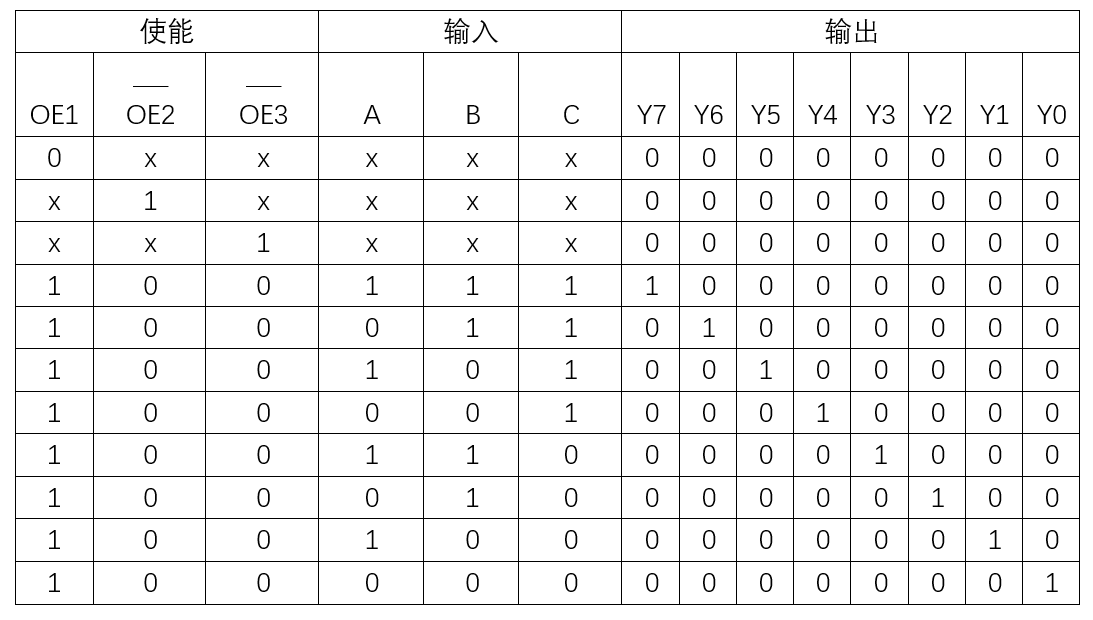
Electronic Design Tutorial 51: 16*16LED dot matrix screen driver-74HC238 decoder
I tried to use shift register cascade + 38 decoder to achieve the effect of driving 16*16 LED dot matrix screen with 3 control lines. This is the third blog about the working principle of ...

Electronic Design Tutorial 49: 16*16LED dot matrix screen driver-74HC595 principle
I tried to use shift register cascade + 38 decoder to achieve the effect of driving 16*16 LED dot matrix screen with 3 control lines. This is the first blog about the working principle of ...

The self-study road of 51 single-chip microcomputer (7)-LED dot matrix experiment, on the 16*16 LED screen, respectively display points, characters, and graphics.
LED dot matrix experiment, display point. Understand 16Before 16 LED dot matrix, first understand 88 dot matrix. The 8*8 dot matrix is composed of 64 light-emitting diodes, and each light-emitting d...

[TOAN HOANG topic (16)] Cliff dot chart
In the sharing of this issue, we will share a drawing method called the Cliff origin map. The final effect will be as shown above, which can be completed in 5 minutes. Interested friends will try it t...
More Recommendation

LED32*32 dot matrix writing screen design
I. Introduction At present, the LED display screen uses the font software to generate a good byte sequence and then displays it, and the LED dot matrix writing screen is a new interactive scheme for p...
Tencent 16-spiral matrix
Given a matrix of m x n elements (m rows, n columns), return all the elements in the matrix in a clockwise spiral order. Example 1: Enter: [ [ 1, 2, 3 ], [ 4, 5, 6 ], [ 7, 8, 9 ] ] Output: [1,2,3,6,9,...
16. Print matrix clockwise
topic: Enter a matrix and print out each number in clockwise order from the outside to the inside. For example, the matrix is , The output result is [1,2,3,4,8,12,16,15,14,13,9,5,6,7,11,10] solution: ...
16: Path in the matrix
Path in the matrix Design a function to determine if there is a path containing a string in the matrix...
NYOJ 16 matrix nested
Rectangular nested time limit:3000MS | Memory Limit:65535 KB Difficulty:4 description There are n rectangles, each rectangle can be described by A, B, indicating long and wide. Rectangular X (A, ...