The difference between O(1), O(n), O(logn), O(nlogn)
tags: algorithm
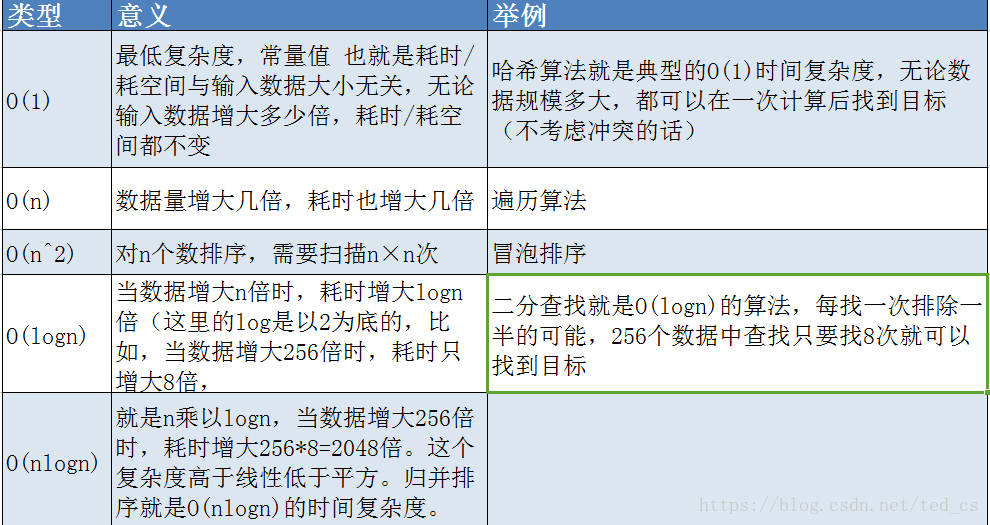
When describing the complexity of an algorithm, O(1), O(n), O(logn), O(nlogn) are often used to represent the corresponding complexity, but at present, everyone also uses these methods to represent the space complexity by default. .
Then, O(1), O(n), O(logn), O(nlogn) can be seen as not only the algorithm complexity, but also the space complexity.
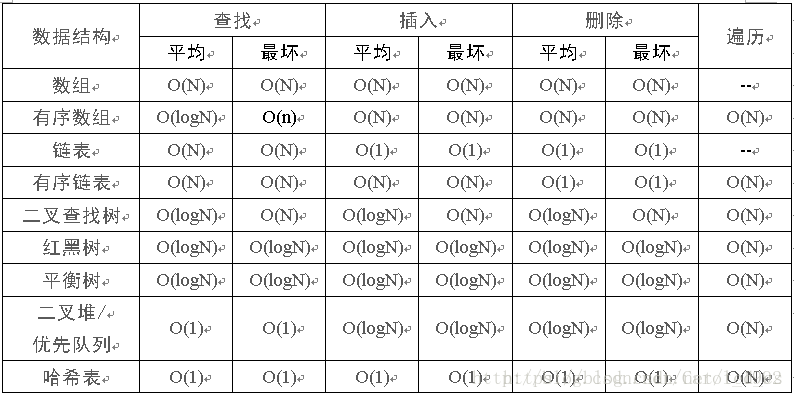
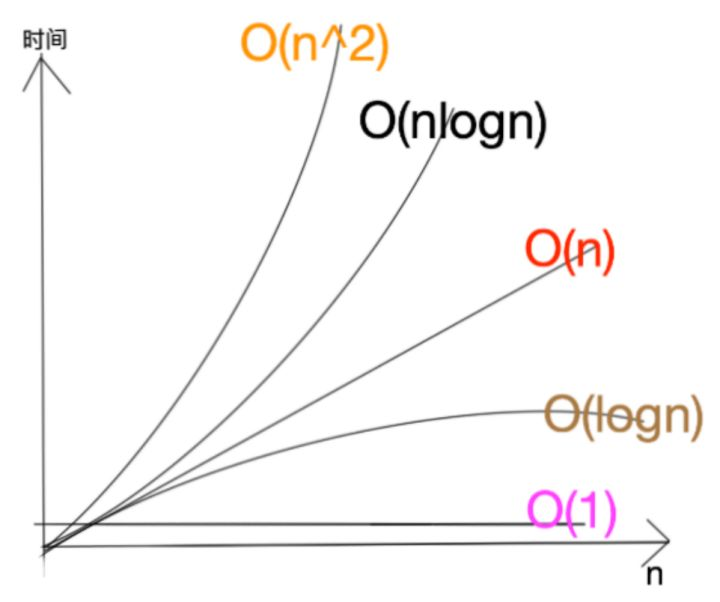
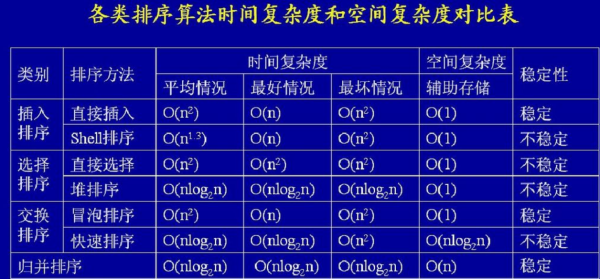
The form of big O plus (), which actually wraps a function f(), O(f()), indicates the relationship between the time/space consumption of an algorithm and the amount of data growth. Where n represents the amount of input data.
If ax=N (a>0, and a≠1), then the number x is called the logarithm of base N, denoted as x=logaN, read as the logarithm of base N, where a is the logarithm The base of N is called the true number.
Intelligent Recommendation
Review of various common time complexities "o(1), o(n), O(n^2), o(logn), o(nlogn)"
When describing the complexity of an algorithm, o(1), o(n), o(logn), o(nlogn) are often used to represent the time complexity of the corresponding algorithm. Here is a summary of what they represent: ...
What are O(1), O(logn), O(n), O(nlogn), O(n2) in Java algorithm
O(1), O(logn), O(n), O(nlogn), O(n2) is a function used to express the time complexity of the algorithm. Time complexity is often expressed in the big O symbol. There is a function in parentheses afte...

What does “reproduced” o(1), o(n), o(logn), o(nlogn) mean?
May 09, 2019 When describing the complexity of the algorithm, o(1), o(n), o(logn), o(nlogn) are often used to represent the time complexity of the corresponding algorithm. Here we summarize the meanin...
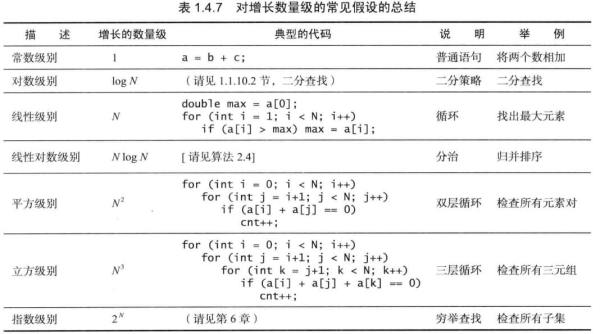
Advanced Java knowledge - algorithm complexity o(1), o(n), o(logn), o(nlogn)
Reference When describing the complexity of the algorithm, o(1), o(n), o(logn), o(nlogn) are often used to indicate the time complexity of the corresponding algorithm. Here we summarize the meanings t...
The meaning of algorithm complexity O(1), O(n), O(logn), O(nlogn)
The next few articles will introduce how the Linux kernel schedules processes. It is necessary to understand these preparations before learning kernel process scheduling! I believe that many developer...
More Recommendation
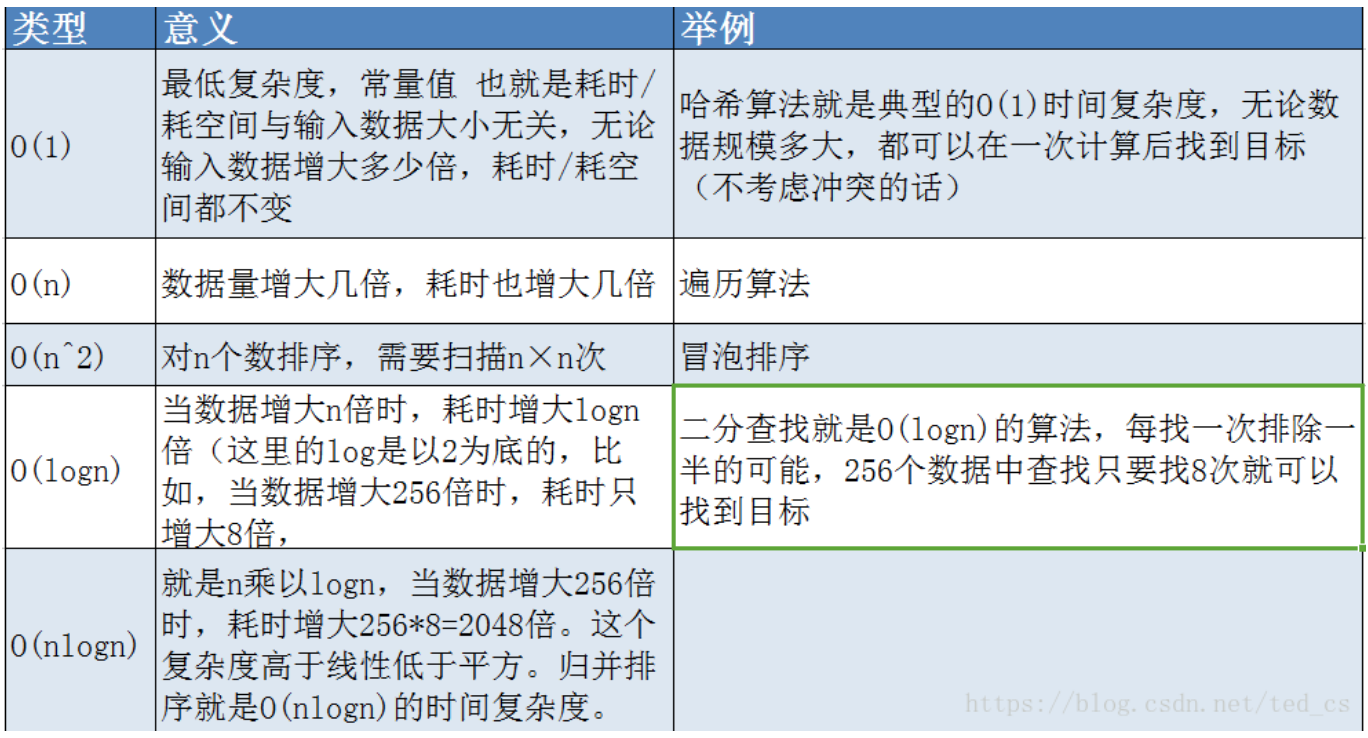
Time complexity and O (1), O (N), O (LOGN), O (NLOGN) distinguish
When describing the algorithm complexity, O (1), O (N), O (LOGN), O (NLOGN) O (1), O (N), O (LOGN) O (NLOGN) O (NLOGN) O is often used. 1), O (n), o (logn), O (nlogn) to represent the degree of corres...
Time / Spatial complexity detailed (O (1), O (N), O (Logn), O (Nlogn))
Article catalog First, (gradual) time complexity O ( n ) O(n) O(n) 1, constant order O ( 1 ) O(1) O(1) 2, linear order O ( n ) O(n) O(n) 3, the right order O ( l o g O(log O(logn ) ) ) 4, linear align...
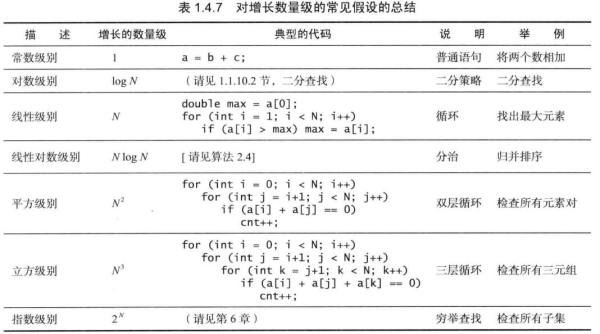
Representation of Java algorithm time complexity: o(1), o(n), o(logn), o(nlogn)
Representation of Java algorithm time complexity: o(1), o(n), o(logn), o(nlogn) When describing algorithm complexity, O(1), O(n), O(logn), O(nlogn) are often used to represent the time complexity of t...
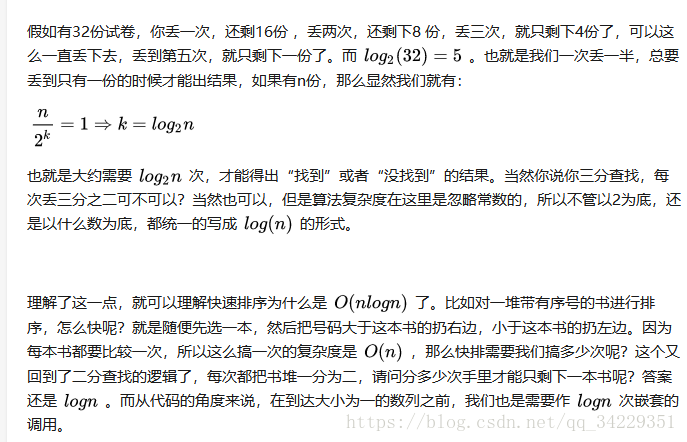
The time complexity and space complexity in the algorithm? What do o(1), o(n), o(logn), o(nlogn) mean? You will understand after reading this
Time complexity refers to the computational workload required to execute the algorithm; and space complexity refers to the memory space required to execute the algorithm. (The complexity of the algori...
Time complexity: O(1), O(n), O(n^2), O(logn)
Time complexity is often used to measure the quality of an algorithm. Here is how to derive time complexity, that is, various time complexity. How to derive time complexity? The derivation of time com...