Spring Cloud builds an enterprise-level bus-part 11 common problems
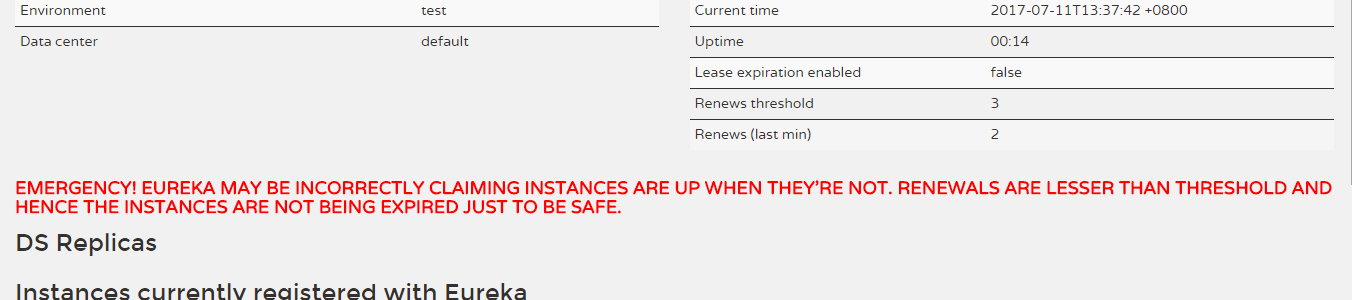
- Question 1: EMERGENCY! EUREKA MAY BE INCORRECTLY CLAIMING INSTANCES ARE UP WHEN THEY'RE NOT. RENEWALS ARE LESSER THAN THRESHOLD AND HENCE THE INSTANCES ARE NOT BEING EXPIRED JUST TO BE SAFE.
- Question 2: Eureka's high-availability solution. In the above example, Eureka has only one 8761 registration center, so how to avoid single point problems?
- Question 3: Why not use zookeeper as a registry? When using dubbo, it is generally combined with zk (as a registry). So why is Eureka used in SpringCloud instead of zk?
- Question 4: Use IP registration in spring eurake: I encountered a very strange problem when developing spring cloud, that is, when the service registered the instance in spring eureka, the machine name was used, and then localhost, xxx.xx, etc. appeared Content, as shown below:

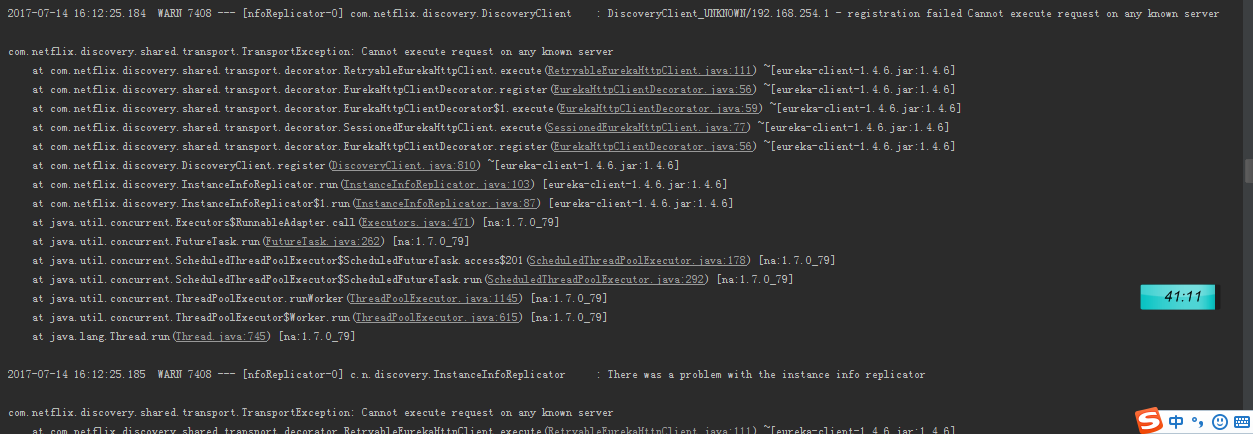
- Question five: circuit breaker feature: com.netflix.discovery.shared.transport.TransportException: Cannot execute request on any known server
- Question 6: Caused by: java.lang.IllegalArgumentException: Could not resolve placeholder'profile' in string value "${profile}"

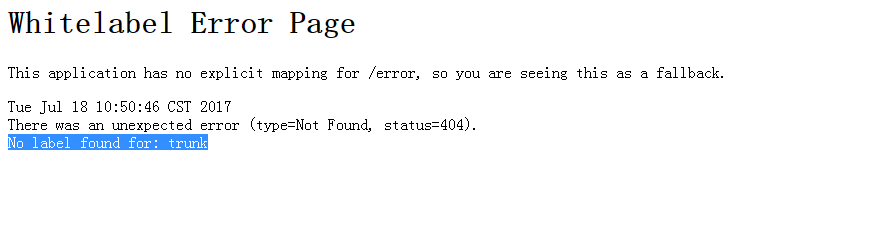
- Question 7: No label found for: trunk
- Question 8: How to solve the problem that Eureka Server does not kick out nodes that have been shut down
eureka:
  server:
    enable-self-preservation: false
eviction-interval-timer-in-ms: 4000eureka:
client:
healthcheck:
enabled: true
instance:
lease-expiration-duration-in-seconds: 30
lease-renewal-interval-in-seconds: 10- Question 9: How to solve the refresh is not allowed: Method Not Allowed HttpRequestMethodNotSupportedException

<dependency>
      <groupId>org.springframework.boot</groupId>
      <artifactId>spring-boot-starter-actuator</artifactId>
</dependency>Intelligent Recommendation

Part 6 Message Bus (Spring Cloud Bus)
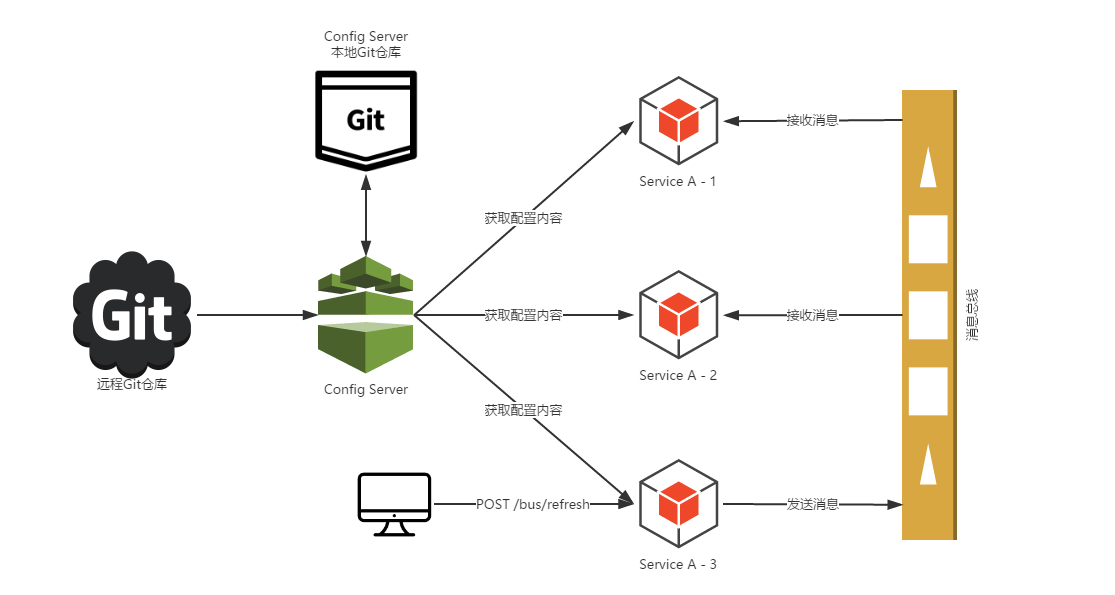
1. Implementation principle 1. ConfigServer (Configuration Center Server) pulls the configuration file from remote git and a copy of it locally, ConfigClient (microservice) obtains its own correspondi...

Introduction to Spring Cloud | Part Seven: Message Bus (Spring Cloud Bus)
Spring Cloud Bus links the nodes of the distributed system with a lightweight message broker. This can be used to broadcast status changes (such as configuration changes) or other management instructi...

Spring Batch builds enterprise-level batch applications
Build an enterprise-level batch application with Spring Batch: Part 1 Spring Batch is a Spring-based batch processing framework that makes it easy to build highly cohesive, low-coupling enterpr...
Spring Cloud builds microservice distributed cloud platform - message bus
Let's first review, in the introduction of the previous Spring Cloud Config, we also left a suspense: how to achieve real-time updates to the configuration information. Although we have been able to p...
Spring Cloud builds microservice architecture (7) message bus
http://blog.didispace.com/springcloud7/ Let's review, in the introduction of the previous Spring Cloud Config, we also left a suspense: how to achieve real-time updates to the configuration informatio...
More Recommendation
Spring Cloud builds microservices architecture (seven) message bus (continued: Kafka)
In addition to supporting the automated configuration of RabbitMQ, Spring Cloud Bus also supports Kafka, which is now widely used. In this article, we will build a Kafka local environment and use it t...
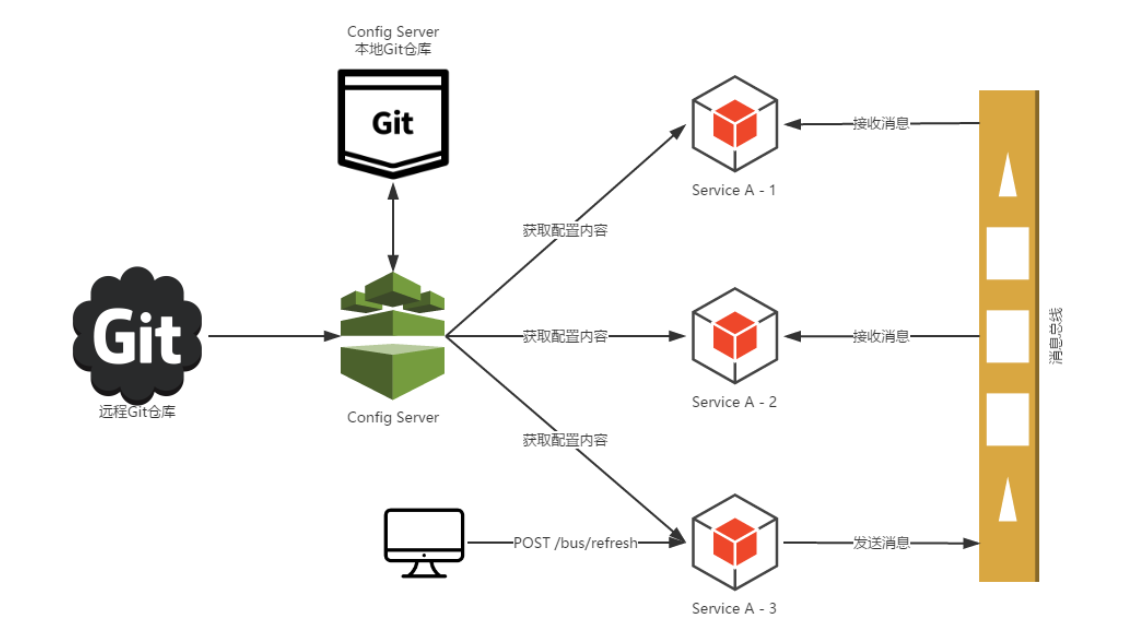
Spring Cloud builds microservice architecture (3) message bus
Note: This article is not suitable for 0-based learners to read directly, please first completeAuthorRead all the blog posts about microservices. If you have any questions, you can read this art...
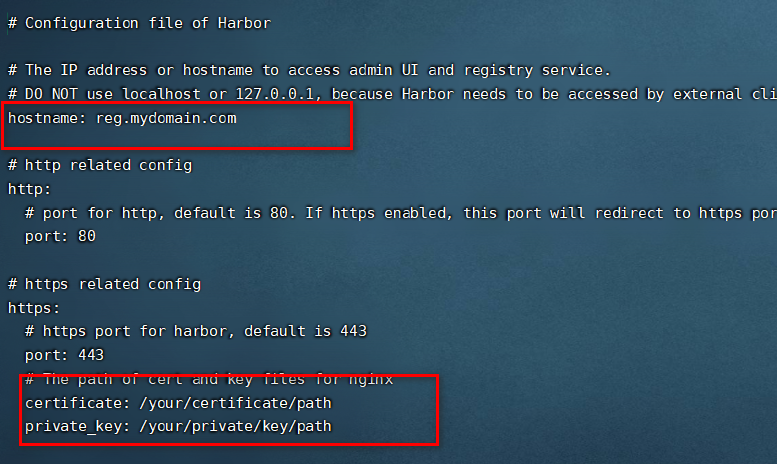
Cloud computing-12-Harbor builds an enterprise-level private mirror warehouse
Cloud computing-12-Harbor builds an enterprise-level private mirror warehouse Basic environment installation This example is installed in CentOS Install docker The old version of the uninstalled docke...

OpenStack builds enterprise private cloud to solve five major problems
OpenStack has become a trend, but the release version of OpenStack is not perfect yet. To build a private cloud, companies must fully understand the shortcomings of the release version of OpenStack in...

The simplest Spring Cloud tutorial in history | Part 8: Message Bus (Spring Cloud Bus)
Copyright statement: This article is the original article of the blogger, welcome to reprint, please indicate the author, hyperlink to the original text, and blogger address: http://blog.csdn.net/fore...